

How should you read hair loss before and after photos?
Read them as examples, not promises. A before and after photo shows one person's response under specific conditions. It cannot tell you how your own hair will respond, because results vary between individuals and depend on cause, stage, scalp health and consistency of care.
The most useful photos are taken in the same way each time, so that the only thing that changes is the hair itself.
Why do lighting and angle matter so much?
Lighting can change the look of density dramatically. Bright overhead light shines through hair and makes the scalp more visible, while soft or side light can make the same hair look fuller. Camera angle, distance and head tilt also change what you see.
- Check that both photos use similar light and background.
- Look for the same angle: front hairline, top, crown or sides.
- Be cautious if one photo shows wet hair and the other dry, styled hair.
Why do timing and hair length change the picture?
Hair grows slowly, so a fair comparison needs enough time between photos. Very short gaps rarely show meaningful change. Hair length matters too: a short cut can make thinning more visible, while longer hair can cover the scalp. Styling products, fibres and colour can also change the look.
For hair transplant, growth develops gradually over many months, so early photos may not reflect the final outcome.
Why do results vary from person to person?
Two people having the same treatment can see different results. Genetics, age, the stage of hair loss, how long follicles have been miniaturised, scalp condition, general health and how consistently a plan is followed all play a part. For a transplant, donor area quality and candidacy matter a great deal.
This is why suitability is confirmed at consultation, and why the doctor explains what may be realistic for you. You can learn more on our hair loss science page.
How does DASH track progress?
Progress is easier to judge with consistent records. In DASH plans, progress is reviewed at follow-ups, using photos taken in a similar way each time and a review of the scalp by the doctor. The DASH Recovery Membership includes yearly analysis and ongoing tracking for long-term preservation.
Tracking helps you and the doctor see whether shedding is settling and whether the plan needs adjusting.
What questions should you ask about any before and after photo?
Ask a few simple questions before drawing conclusions:
- How much time passed between the two photos?
- What treatment or combination was used, and was a hair transplant involved?
- Were the photos taken in the same place, light and position?
- Was the hair the same length, dry and unstyled in both?
- What stage of hair loss did the person start from, and is it similar to yours?
If the answers are unclear, treat the photo as a general illustration only. At consultation, the doctor can explain which options may suit your stage and how progress would be measured for you.
What should you do next?
If you want to understand what may be possible for your own hair, start with the free Hair Recovery Analysis, an educational pre-assessment, then book an assessment at our Dubai clinic. You can also read about PRP therapy and hair transplant options.
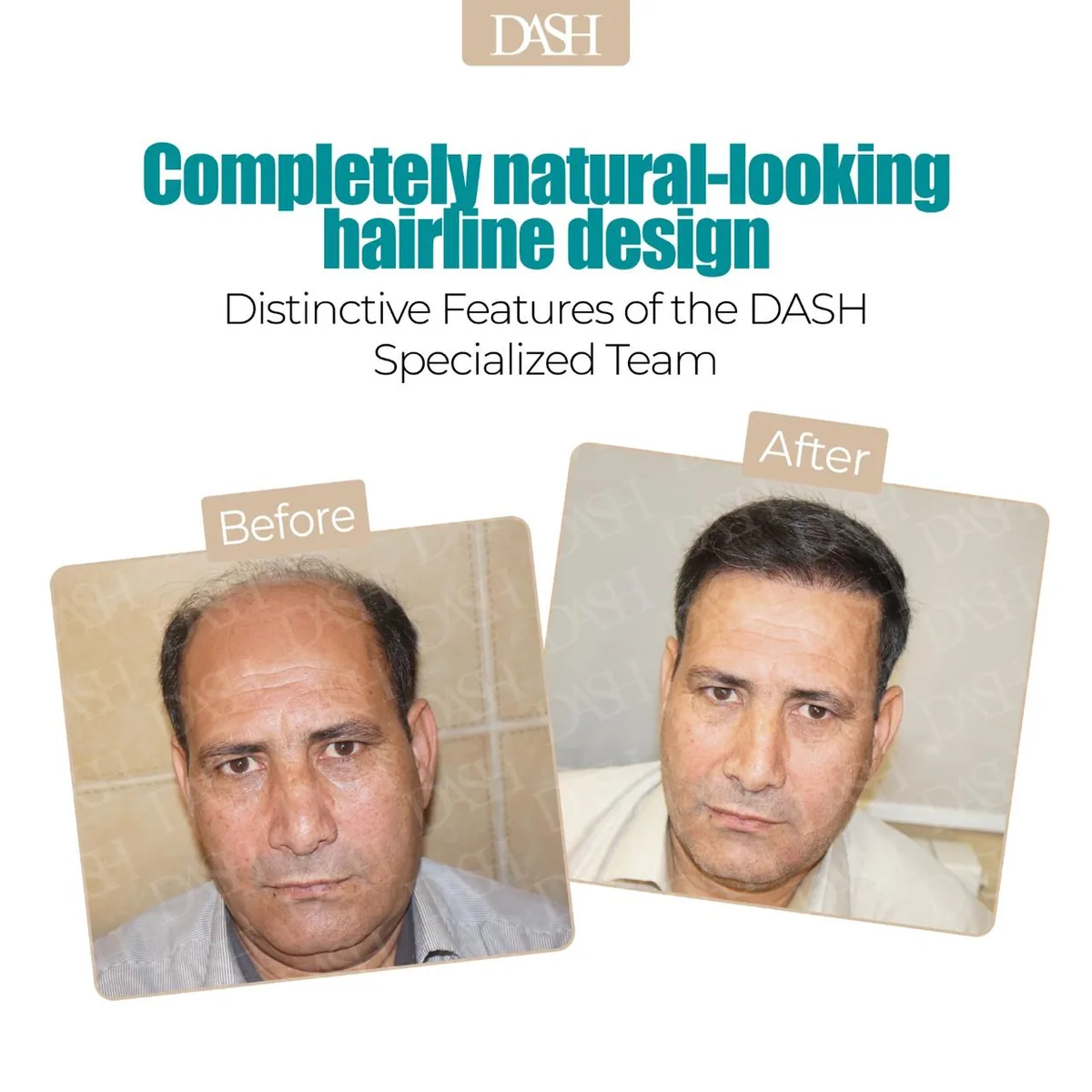
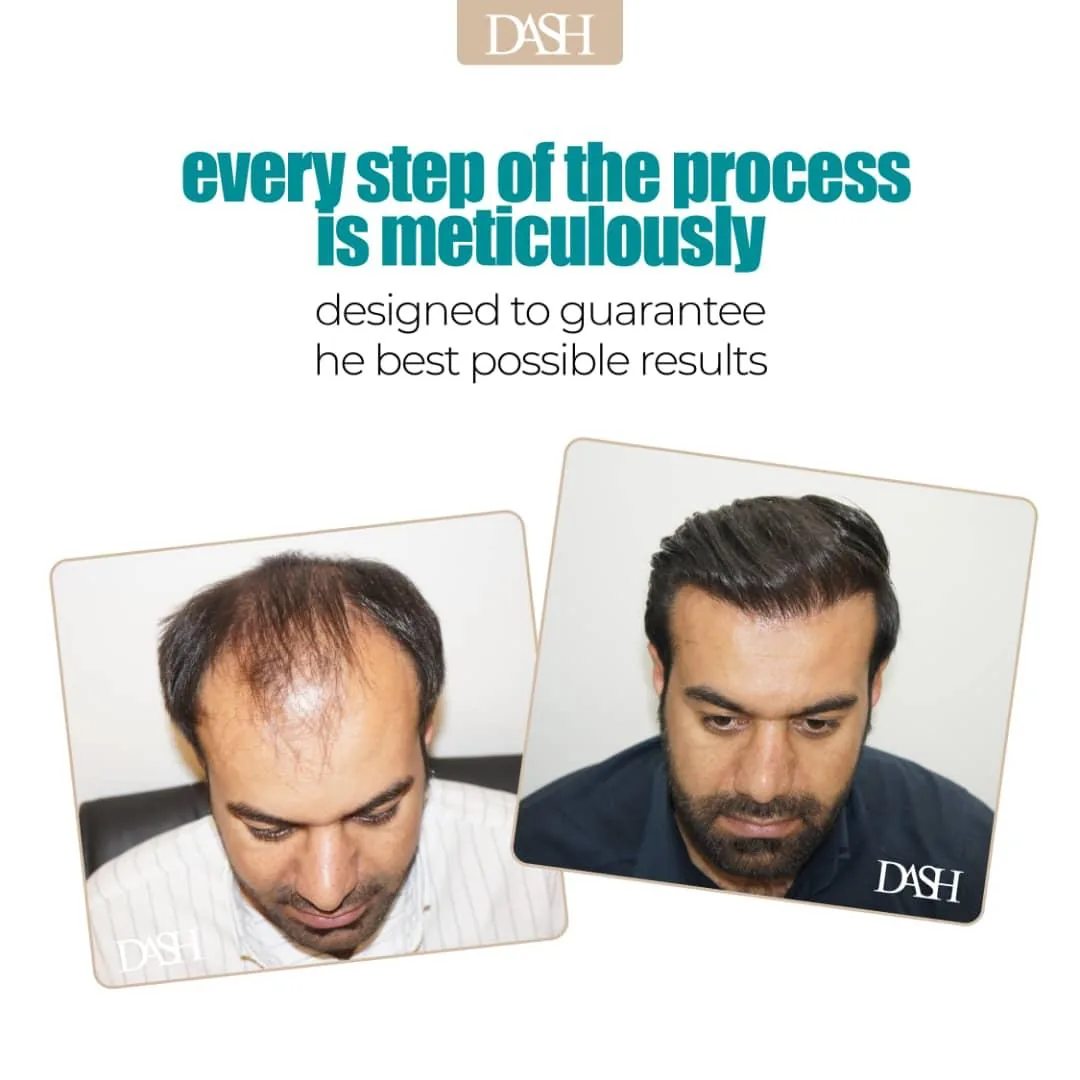
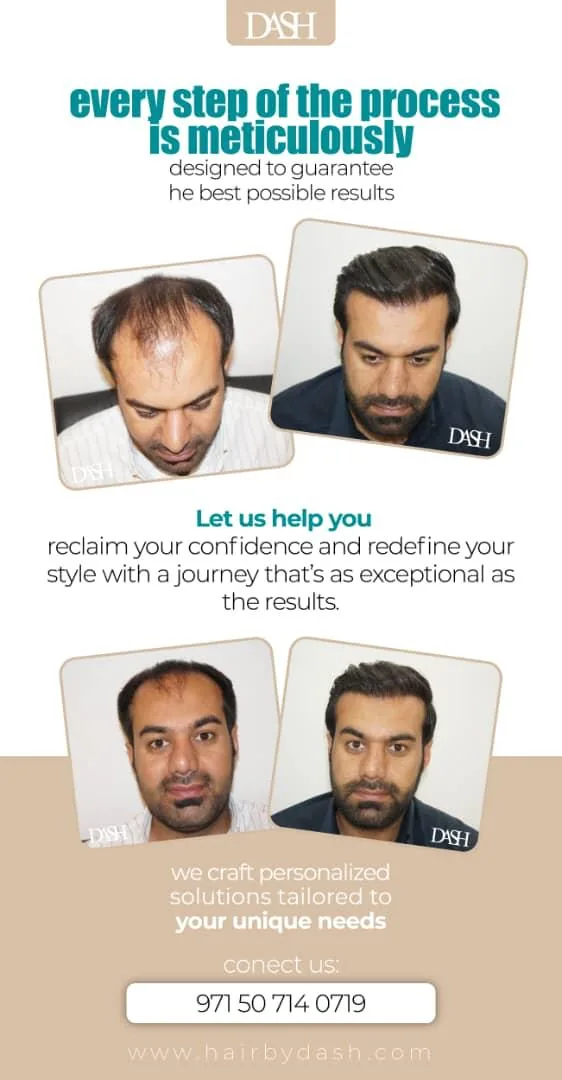
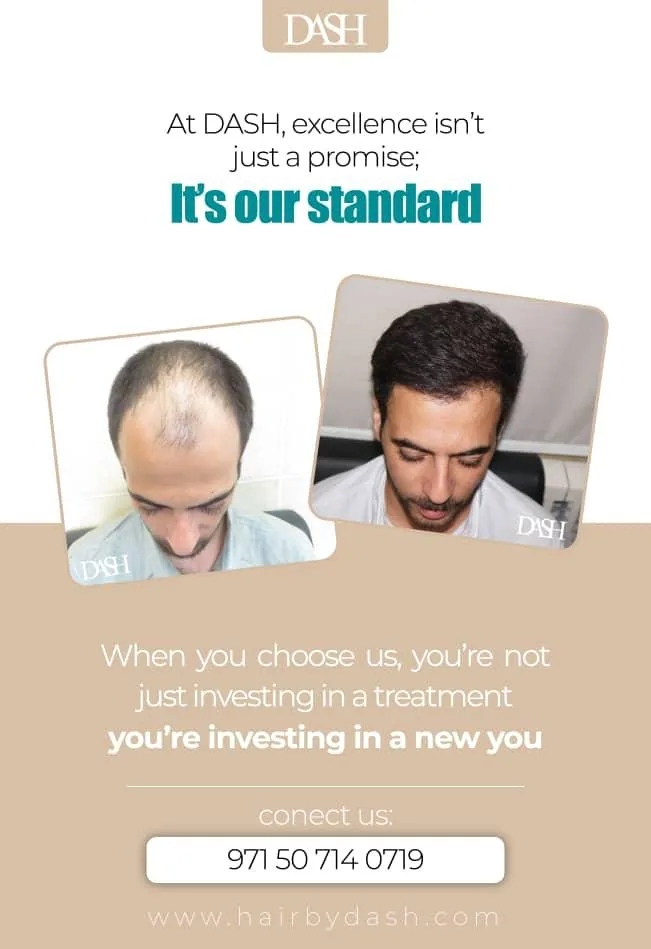
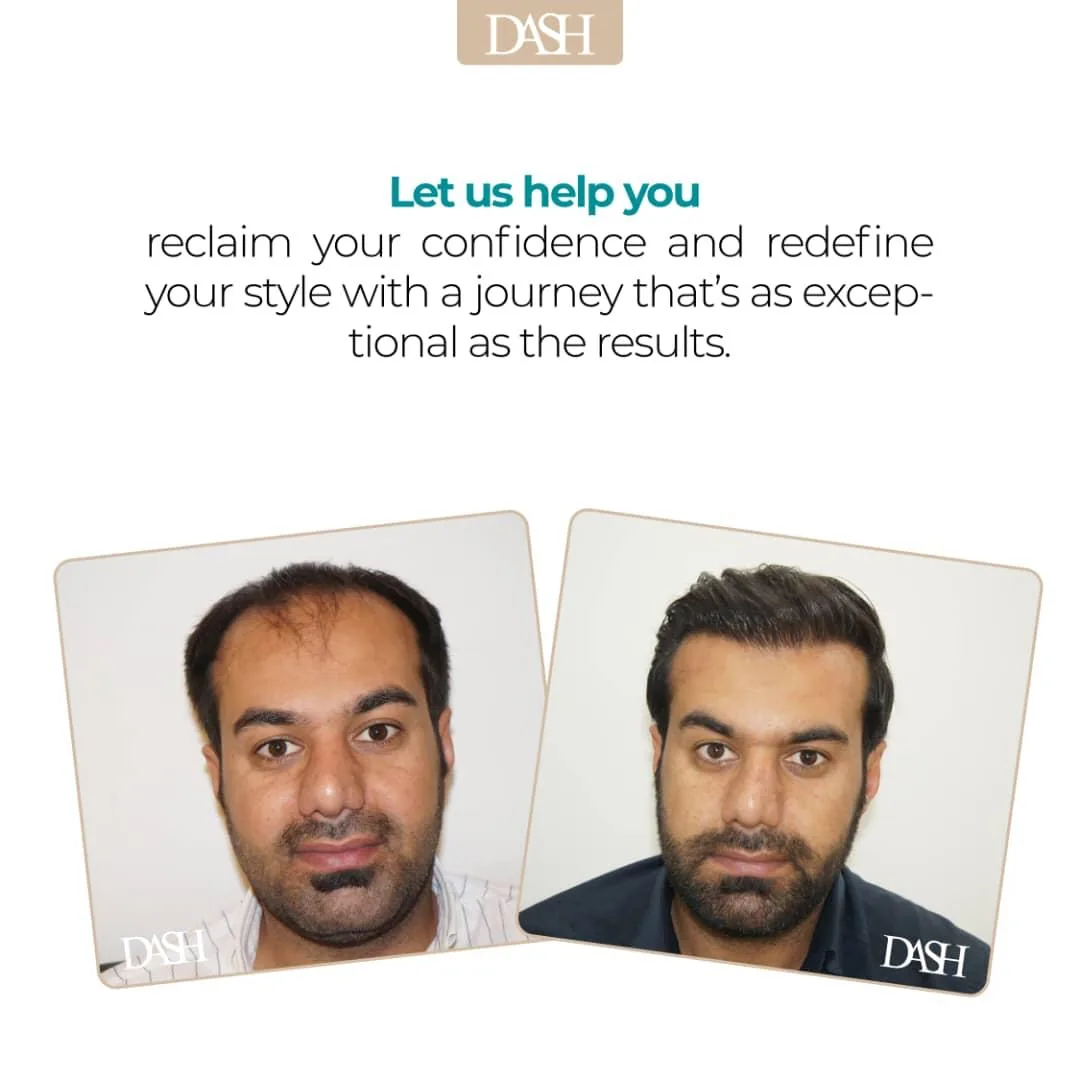
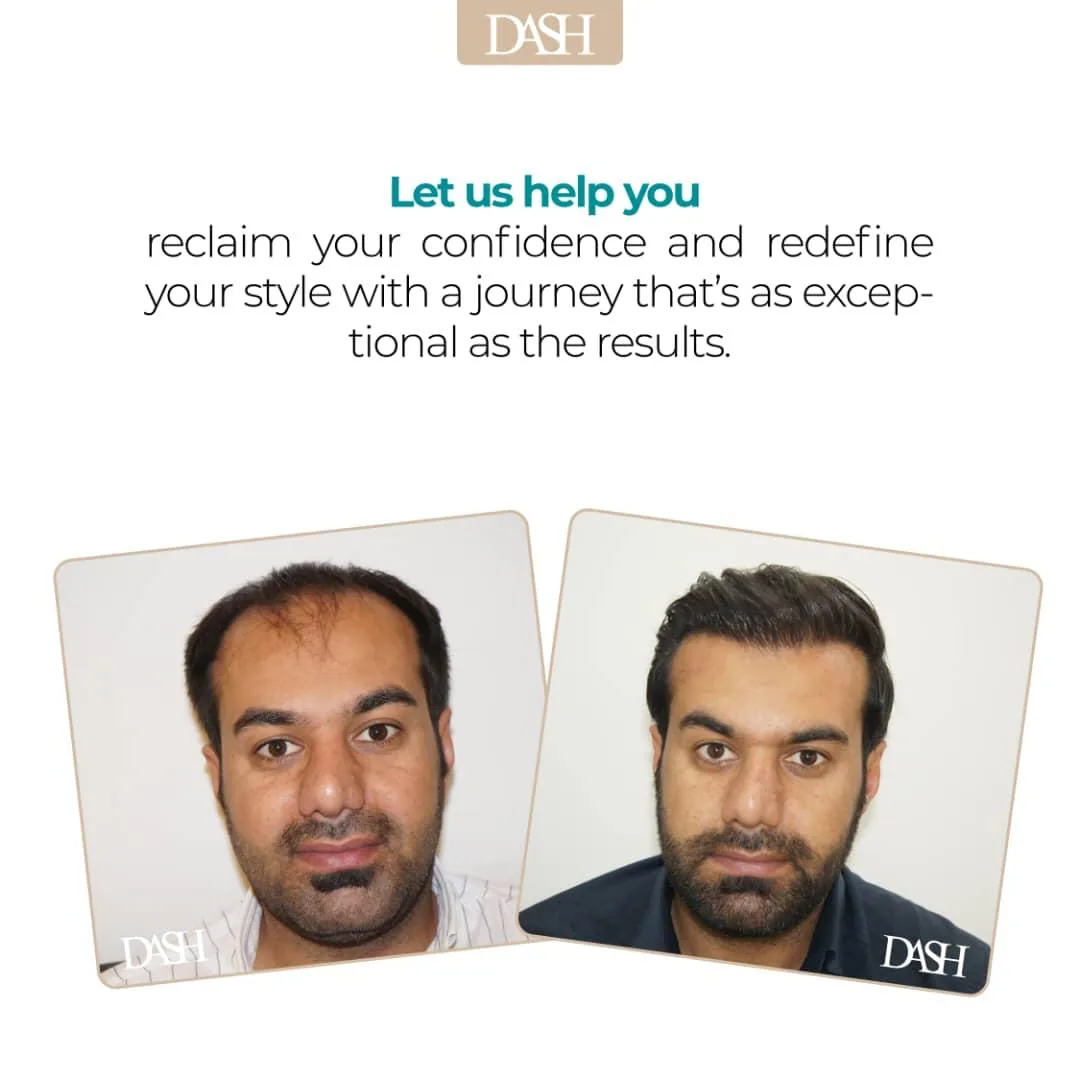
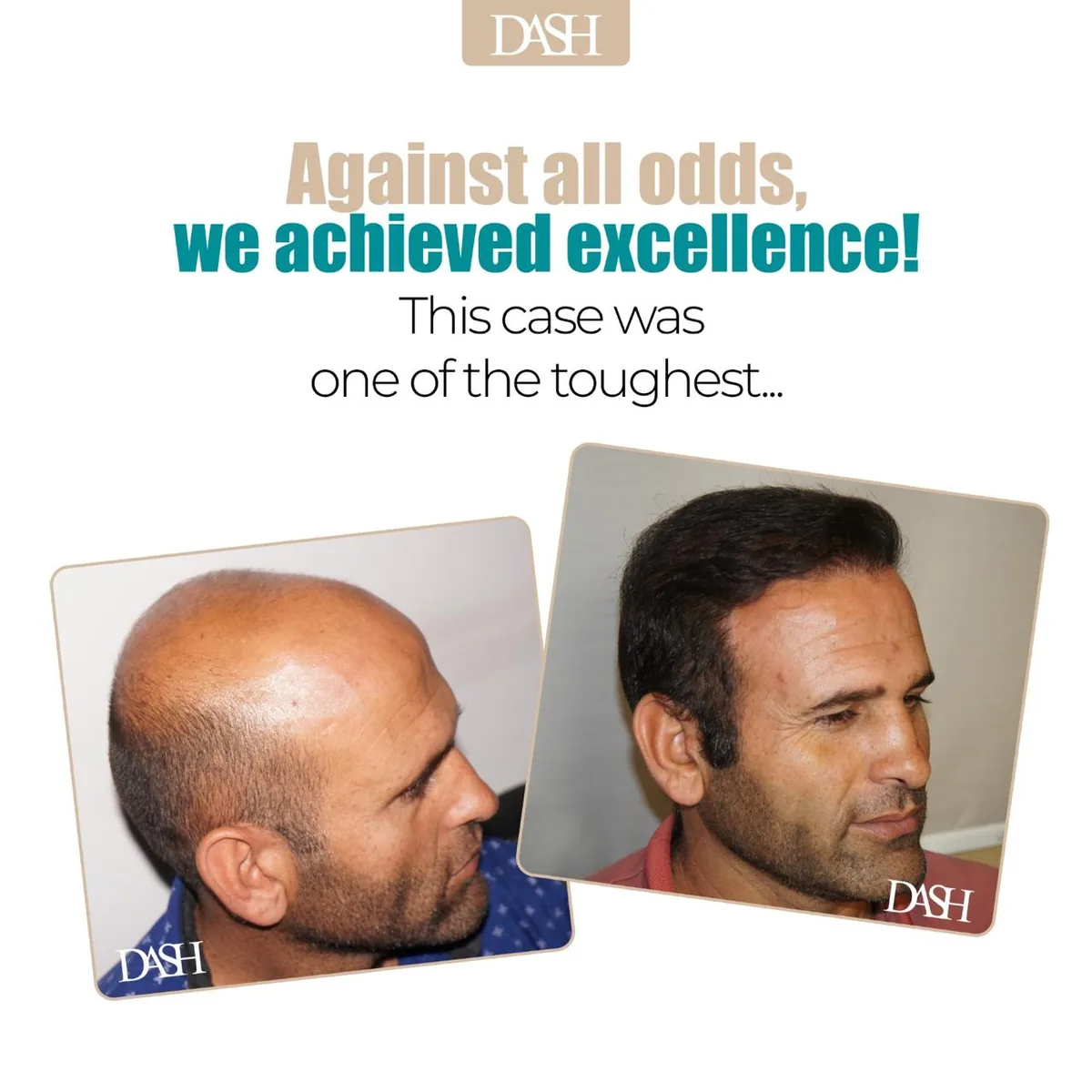
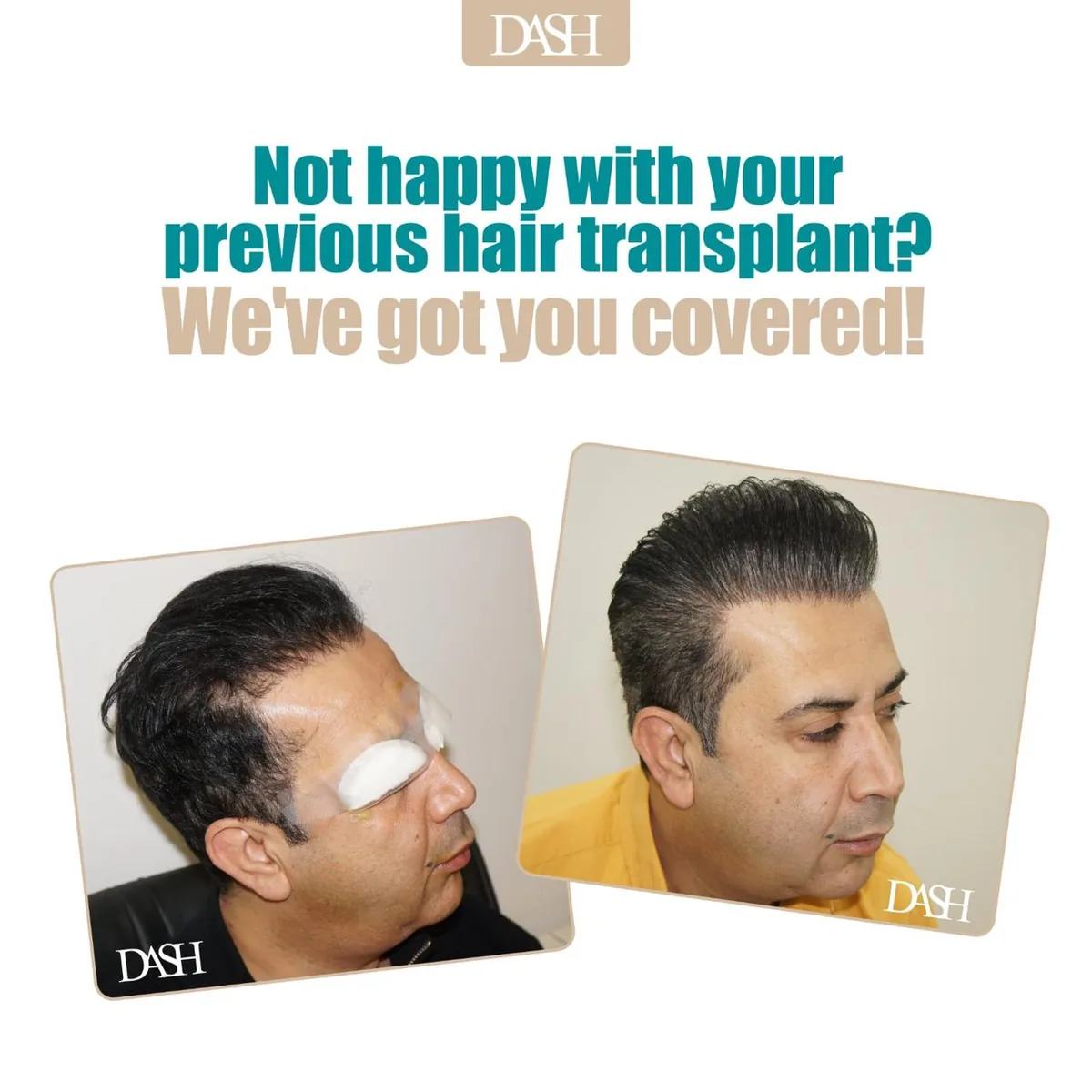
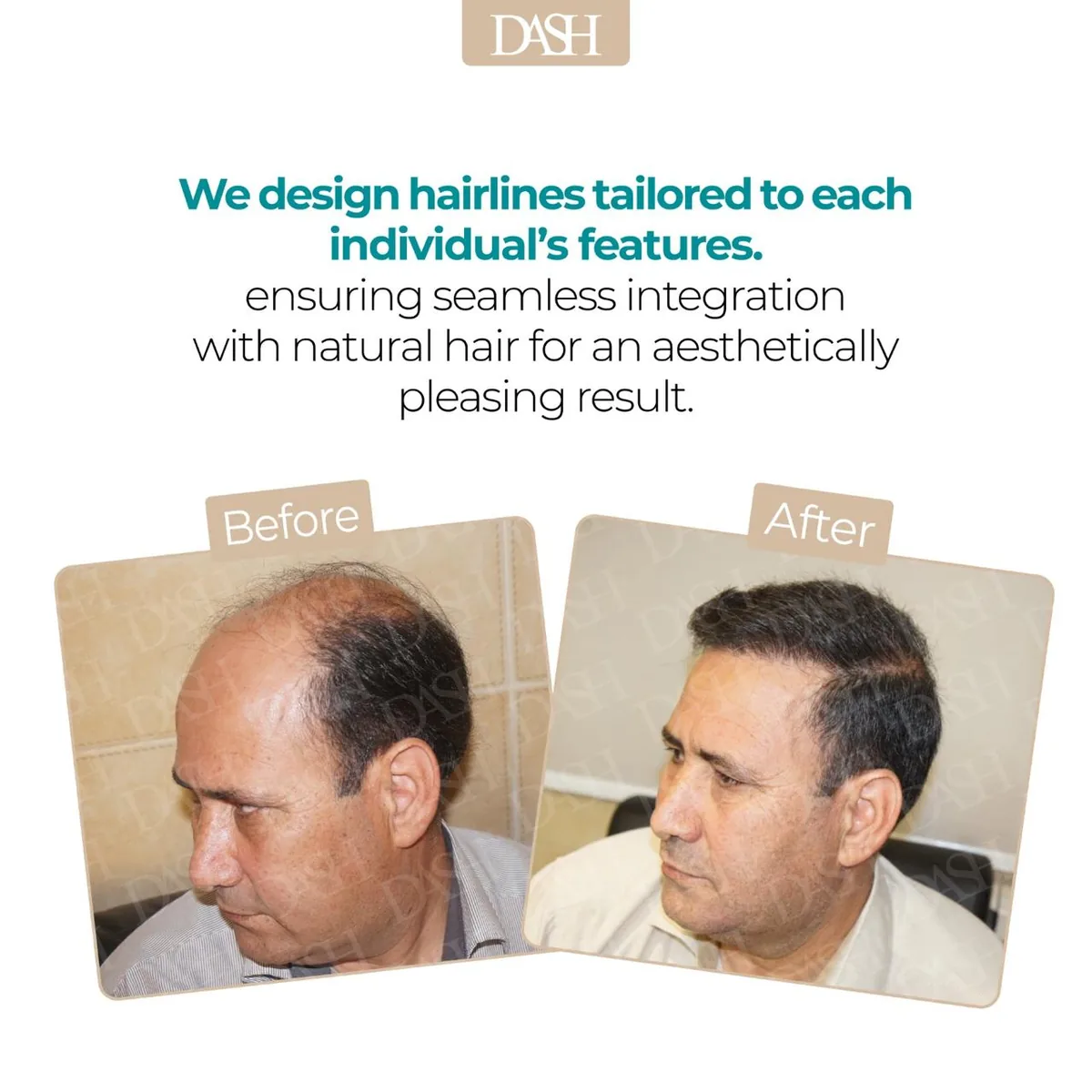
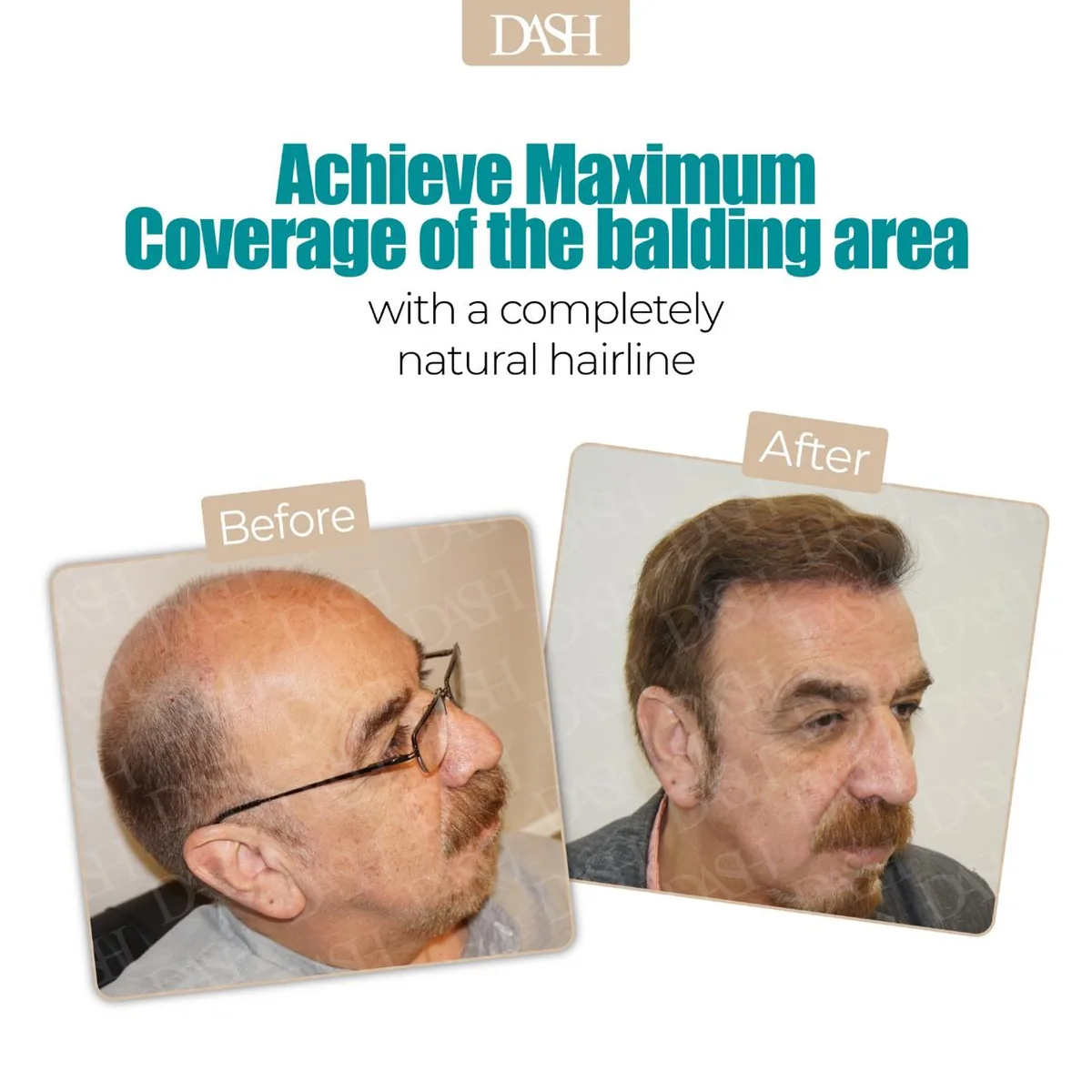
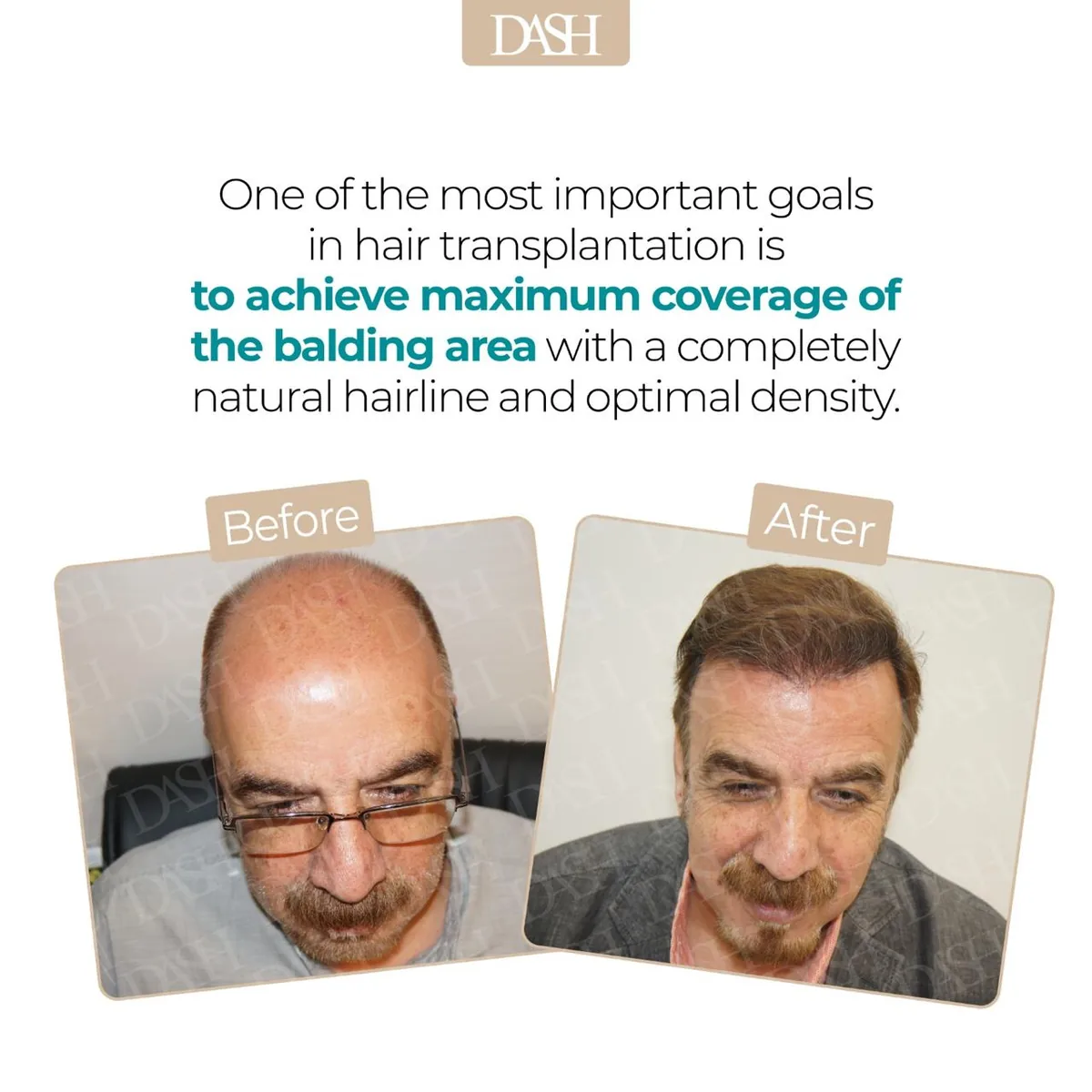
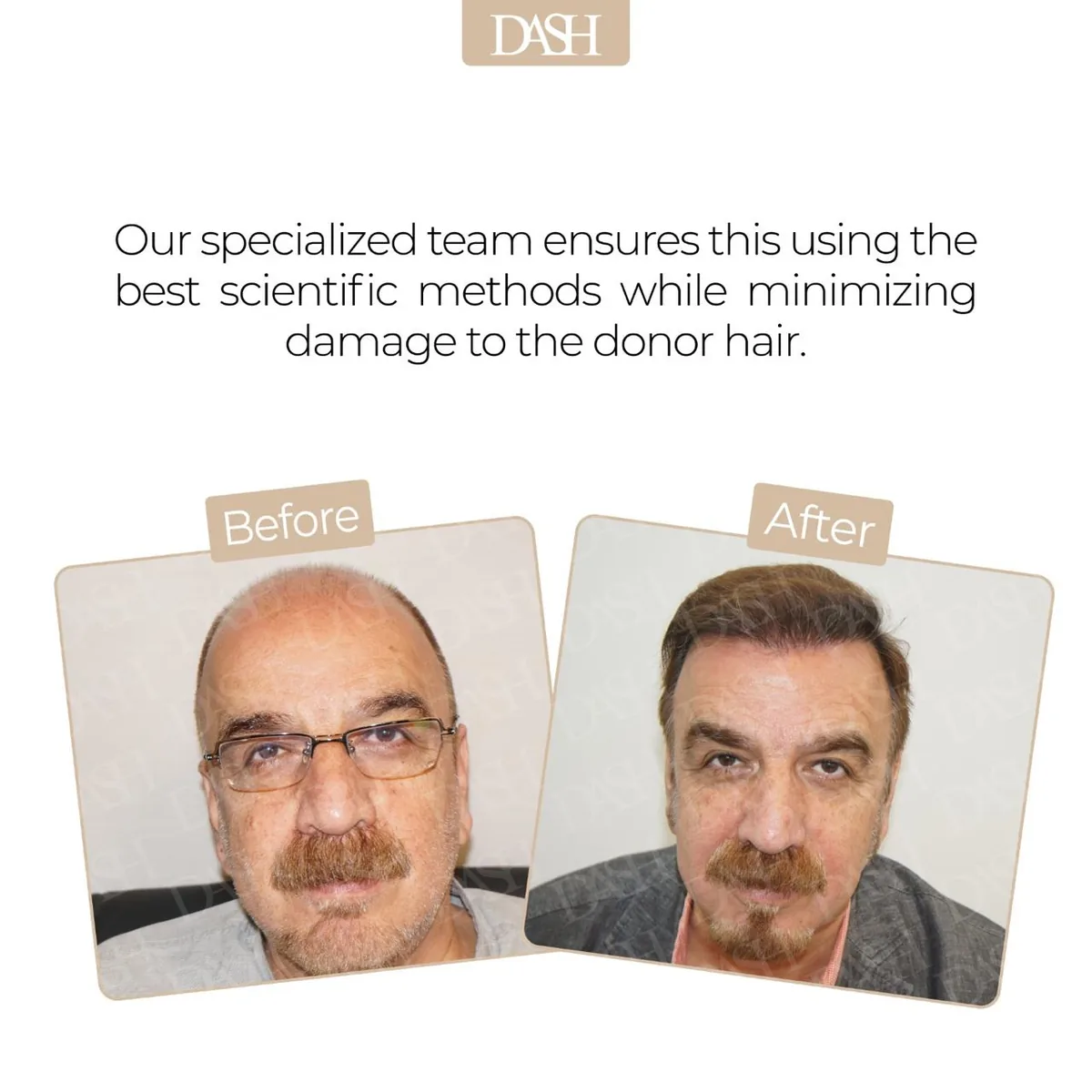
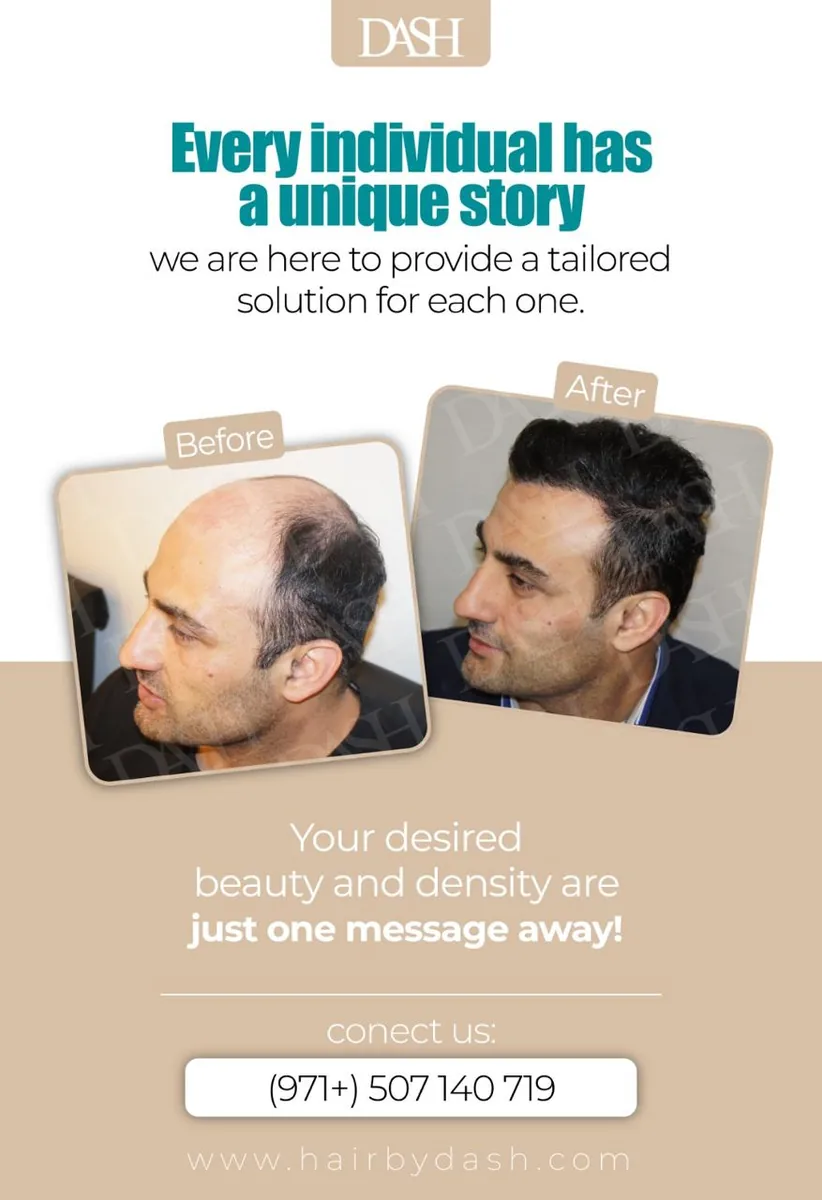
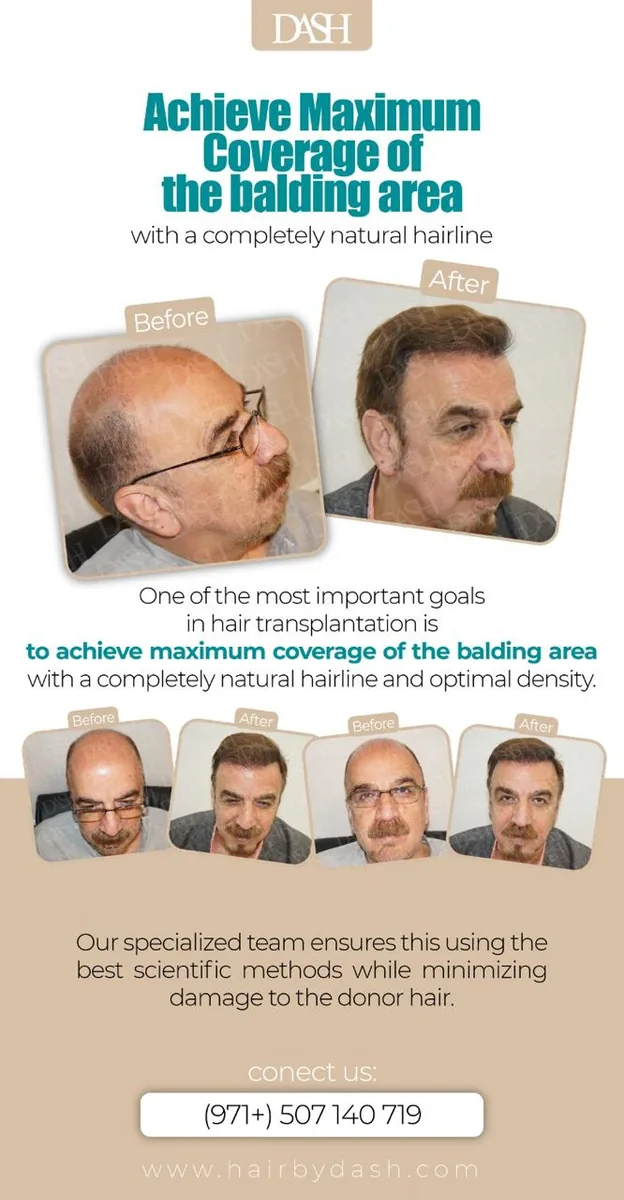
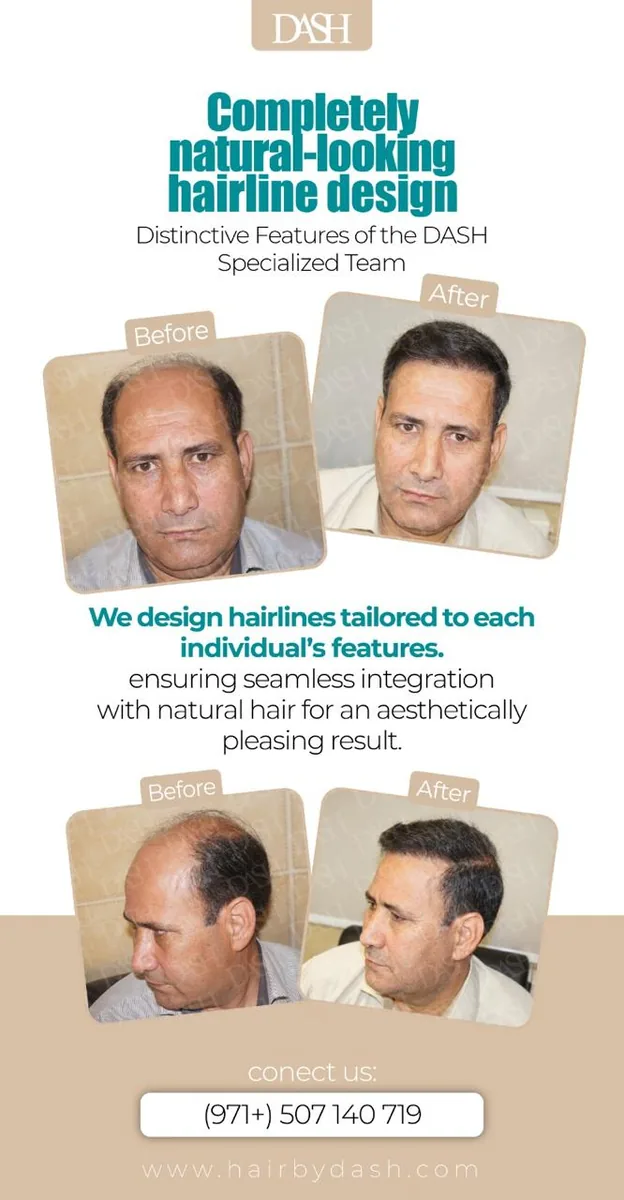
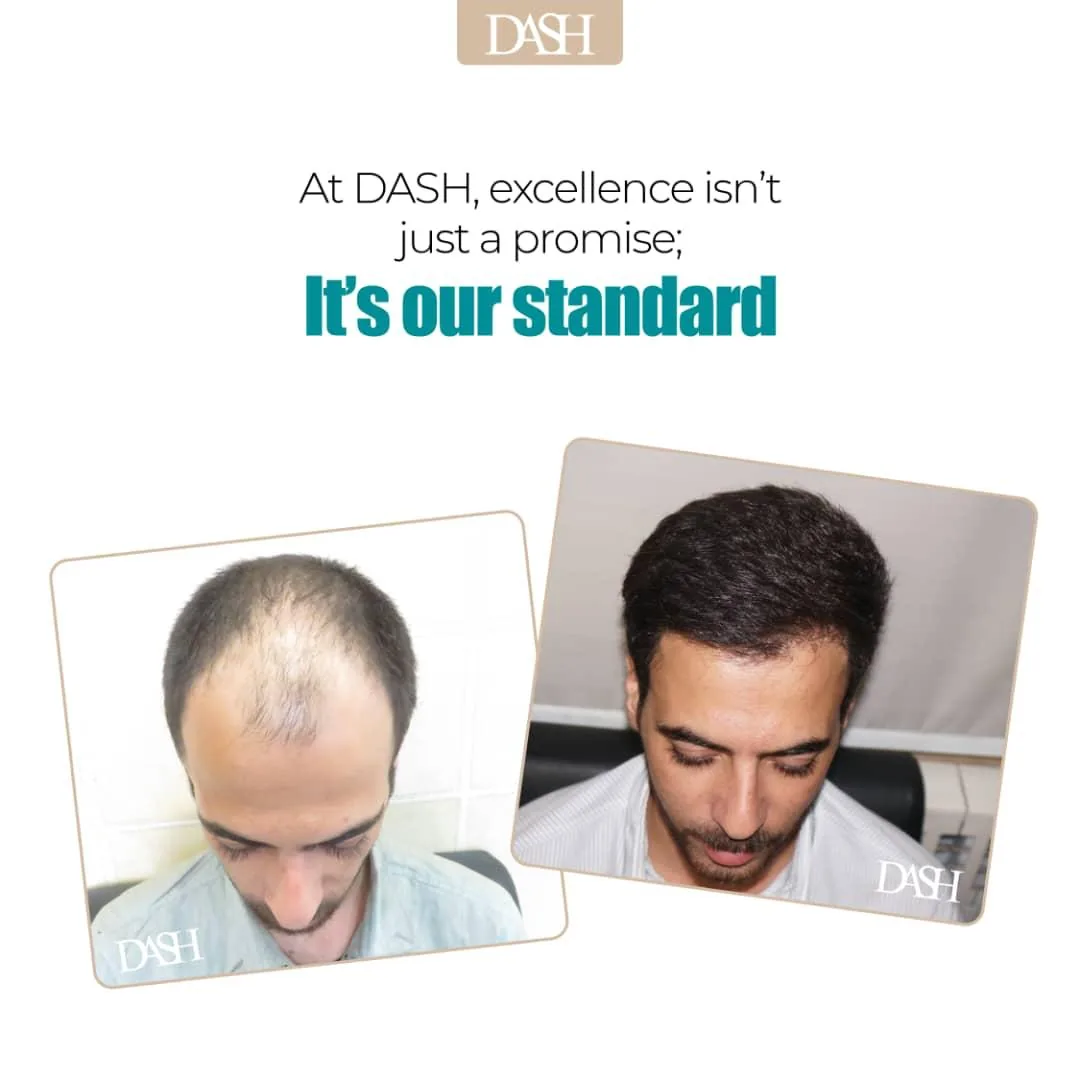
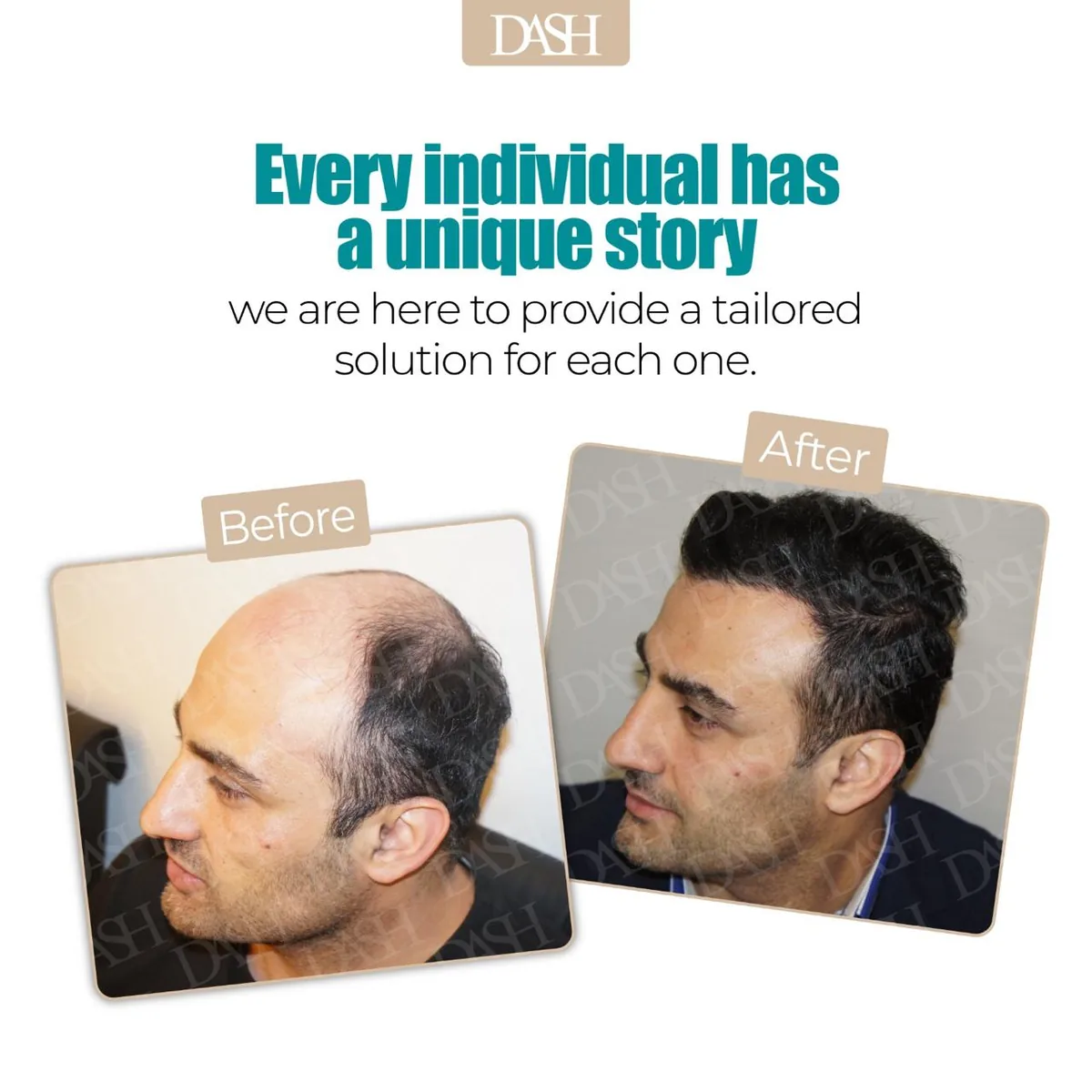
Before and after photo gallery
Photos shared with consent. Lighting, angle and timing differ between photos, and individual results vary.
Frequently asked questions
Will my results look like the photos on this page?
Not necessarily. Each photo reflects one person's hair, stage and response. Results vary between individuals, and your own outcome depends on many factors. The doctor can explain what may be realistic for you after an in-person assessment at our Dubai clinic.
How long before I can compare my own photos?
Hair grows slowly, so comparisons are usually more meaningful after several months. Very short gaps rarely show real change. For a hair transplant, growth develops gradually over many months. Your follow-up schedule is set as part of your plan.
How can I take consistent photos at home?
Use the same room, light, distance and angle each time, with dry hair styled the same way. Take front, top and crown views. Consistency matters more than camera quality, and it makes progress much easier to judge at your follow-ups.
Why might my hair look thinner in some photos?
Lighting, wet hair, short haircuts and camera angle can all make hair look thinner. Bright overhead light in particular shows more scalp. Before worrying, compare photos taken under the same conditions, and discuss any concerns with the doctor at your follow-up.
Does DASH track my progress during a plan?
Yes. Progress is reviewed at follow-ups using consistent photos and a scalp review by the doctor. The DASH Recovery Membership adds yearly analysis and ongoing tracking. Tracking helps decide whether your plan should continue as it is or be adjusted.
Educational information only, not a diagnosis. Suitability and results vary between individuals and are confirmed at consultation. Updated 17 November 2026.